
As a photo coach, it’s exciting to see photos match family stories that help us research our history and give a more complete picture of our family’s lineage.
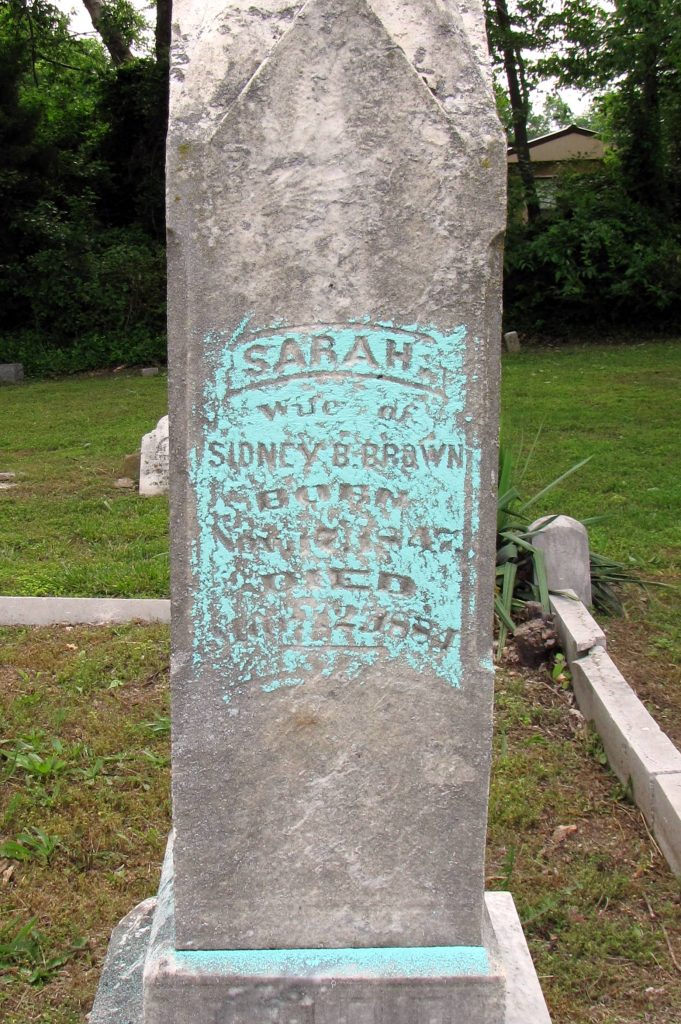
I’ve uncovered exciting stories about my family dating back to the Civil War era while I’ve researched my history and added to my family tree. The photo above is a grave stone dating back to 1884.
My husband has traced his line back to the 1820s, and a friend of mine has traced her relatives back to the late 1500s.
Have you ever thought about researching your family history—and safeguarding that history for future generations?
I have six steps you can follow and a solution I use called FOREVER®.
I’ll go into more detail below, but FOREVER® is the most complete memory-keeping system available. I started using the service about a decade ago personally and with my clients and I find it’s an invaluable tool.
Here are 6 steps to guide you so you can get a more complete picture of your family tree in 2025.
Step 1 – Set a schedule
You decide you’re going to sit down and sort through old family photos to chronicle your history.
But what happens?
Your project gets put aside time and again because work, kids, grandkids, pets and other important matters hit first.
Spring turns into summer and suddenly you’re ringing in 2026 and your family research project remains either undone or untouched.
Set a bite-size schedule that works for you, like this one.
Month-by-Month
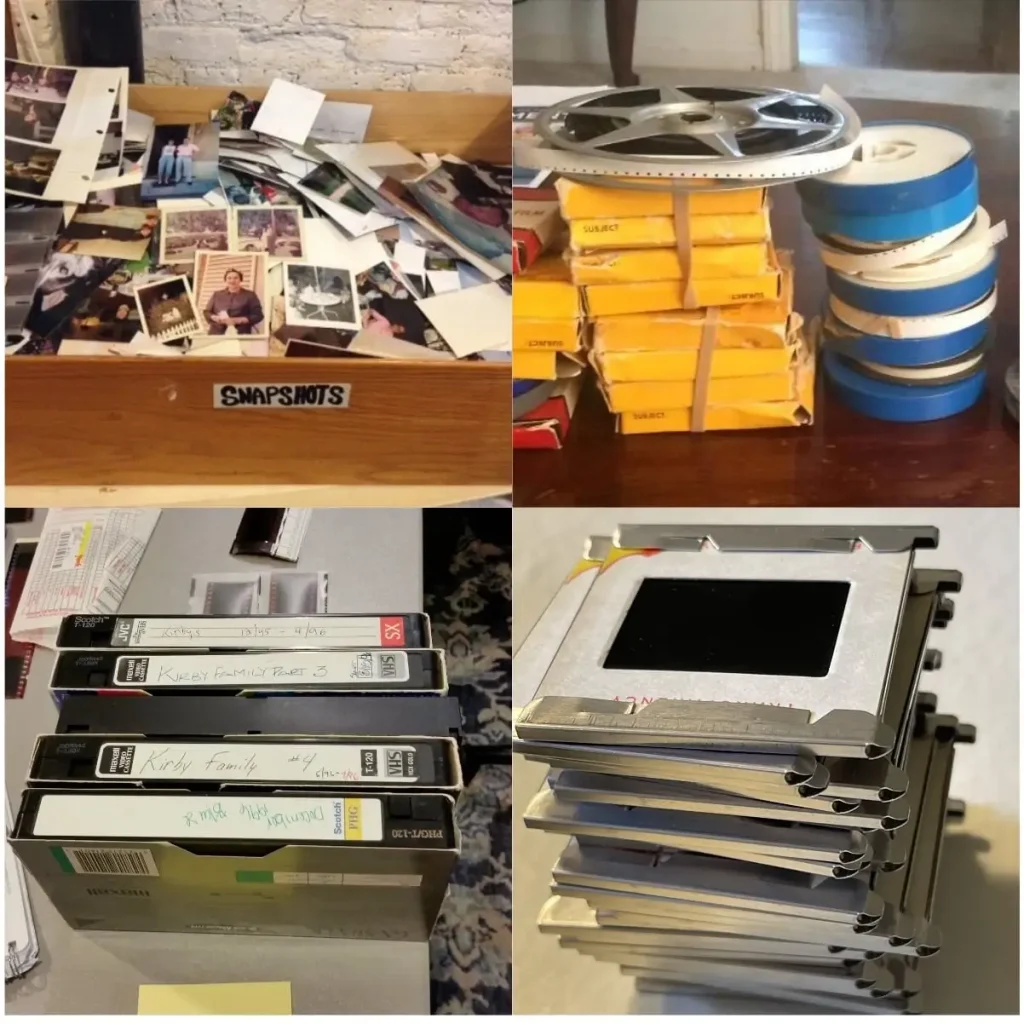
- During January and February, you’ll declutter and gather all your family photos and other memories into one place.
- During March and April, you’ll journal the photos and have them digitized and store them permanently.
- In May and June, you’ve tracked several relatives and are making progress.
Continue through the summer and into the fall. You don’t have to try and do it all at once.
Create a simple tool to get you started filling in who’s-who.
2 Sketch a family line by hand to start
If you’re a visual learner, then sketch a literal tree with branches and write the names of parents, grandparents, and other relatives to trace. Have branches for your mother’s side and your father’s side.
This gives you a simple map for knowing how to move forward. And if you take breaks of a week or a few weeks, then you know where to re-start.
3 Jot down what you know and don’t know about your family history
Buy a notebook if you like jotting information by hand or type right into a laptop folder you create.
You know where your parents were born, right? And your grandparents?
Or maybe you don’t know.
What fun facts do you know about their childhood or early adult years?
Note their personalities, any special memories you personally have, and any records like immigration records and military service.
Now, what don’t you know?
Your curiosity will help uncover new questions and directions for your research.
4 Look through old photos, watch old videos and use my journaling questions:
- Who is in the picture
- Why is this important (it may not be important)
- What are they doing
- Where is the moment taking place
- How does this fit into my family tree
5 Interview relatives
Older relatives and cousins can be treasure troves of information and may want to help you research your family line.
Ask them their memories from growing up, challenges they had to overcome, and what they know about earlier relatives.
6 Look for clippings and historical articles
We’re fortunate to have historical societies in towns, counties, and states throughout the country.
You might find ancestors or family friends listed in a compilation of local records or newspaper clippings. The societies will give you an understanding of life in the 20th century and earlier centuries.
You’ll find fun facts like the cost of groceries, gas, and housing. You may discover names of businesses and landmarks that you’ve heard others talk about.
Visting a society online is convenient, but make it a point to visit in person and you could end up having revealing conversations with staff.
7 Use professional genealogists

I’ve used professional genealogists with FOREVER® to dig back into family records. They’ve been a tremendous help in researching family history and adding to my family tree.
I’ve discovered ancestors who were farmers and shopkeepers and stories of all types.

My husband used FOREVER® to dig back to the earlier part of the 1800s and “met” an ancestor.
Using FOREVER® in your research and record keeping
FOREVER® is an amazing tool that’s versatile and is a wonderful help in family research. You can:
- digitize printed photos, audio tapes, VHS tapes, slide shows and more;
- store your digital files for a lifetime, plus 100 years and with the goal of being accessible beyond that time frame;
- print photo books and gifts year ‘round from your files;
- have FOREVER®’s professional genealogists give you a consultation to map out a research strategy or do the actual research and notify you of findings
FOREVER® is unique in the digitizing and storage industry.
You own your account and your storage space. This means you’re in control.
FOREVER® guarantees that your files will be safe for a lifetime, plus 100 years because of the FOREVER® Guarantee Fund.
The fund ensures that your files are backed up and migrated to newer technologies as the current file that’s stored becomes obsolete. This is done at no extra cost to you or future generations.
Your memories are treasures that your descendants can view several decades from now.
How can I help you with family research?

Contact me for questions about digging into your family history and the best way to capture the memories you’re collecting and organizing.
FOREVER® is the best solution I’ve found for safeguarding all of our memories in one digital home.